Cities & public sector · Case study

A readable event begins with an imperfect frame.

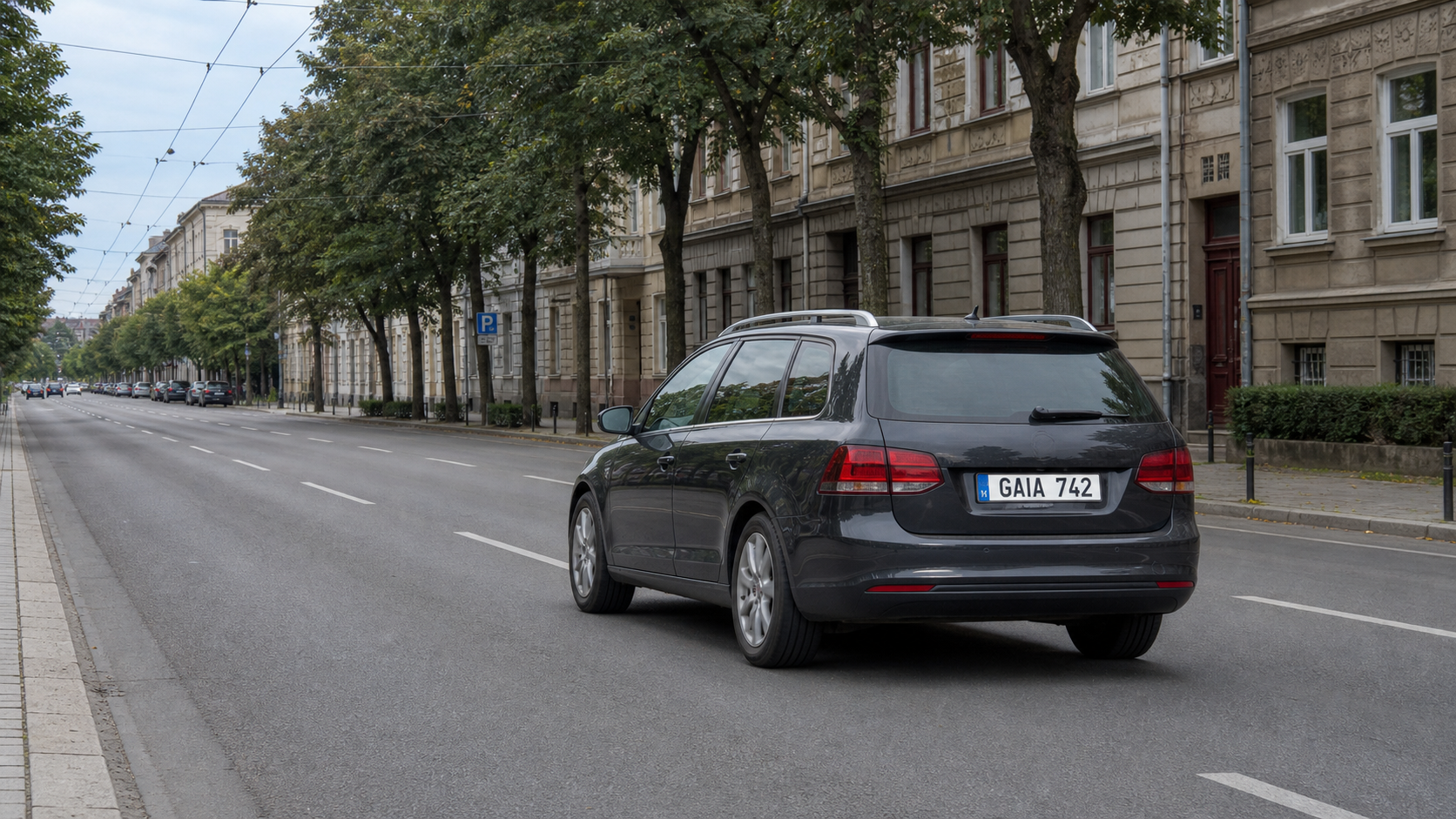
Vehicle and plate regions became validated events despite difficult image conditions.

Case study context

The project and the problem

An urban camera project needed to convert passing vehicles into structured observations that included a validated plate candidate. A complete street image could contain several vehicles, signs, advertisements and road markings, so optical character recognition could not know which text belonged to a plate. The plate itself might also be small, angled, blurred, partly hidden or badly exposed.

How the process worked

The pipeline first detected and tracked a vehicle across frames, then localized and normalized its plate region. Character recognition ran only on that focused evidence, allowing the system to prefer useful frames, validate the candidate and emit a structured event with its quality state and source context.

Frame-to-event evidence

How do difficult urban frames become validated detections?

Use the controls below to inspect the key stages, constraints and validation decisions in that process.

Follow one observation through every quality gate.

Source
Fixed camera 07
Window
5 frames
Frame condition
Observation frameCAM-07 · 1842
09:41:22.184
Fixed urban camera frame showing a dark vehicle in clear daylight.Track V-047Plate region
Frame 184 · agrees
Frame condition

Operating constraints

  • Changing image quality
  • Perspective and distance
  • Privacy handling
  • No enforcement assumptions

What changed

  • Structured detection events
  • Visible quality states
  • Separate privacy policy layer
  • Traceable validation path

Evidence retained: Every event retained the source frame, selected vehicle track, plate crop, recognition candidate and quality state.

Start with the problem

Have a similar operating problem?

Share the environment, constraint and result you need. We can discuss the engineering path without exposing confidential details.

Discuss a similar challenge